
Breaking Ground in Kidney Disease Research
Targeting the Type I Interferon Pathway in Glomerular Kidney Disease: Rationale and Therapeutic Opportunities
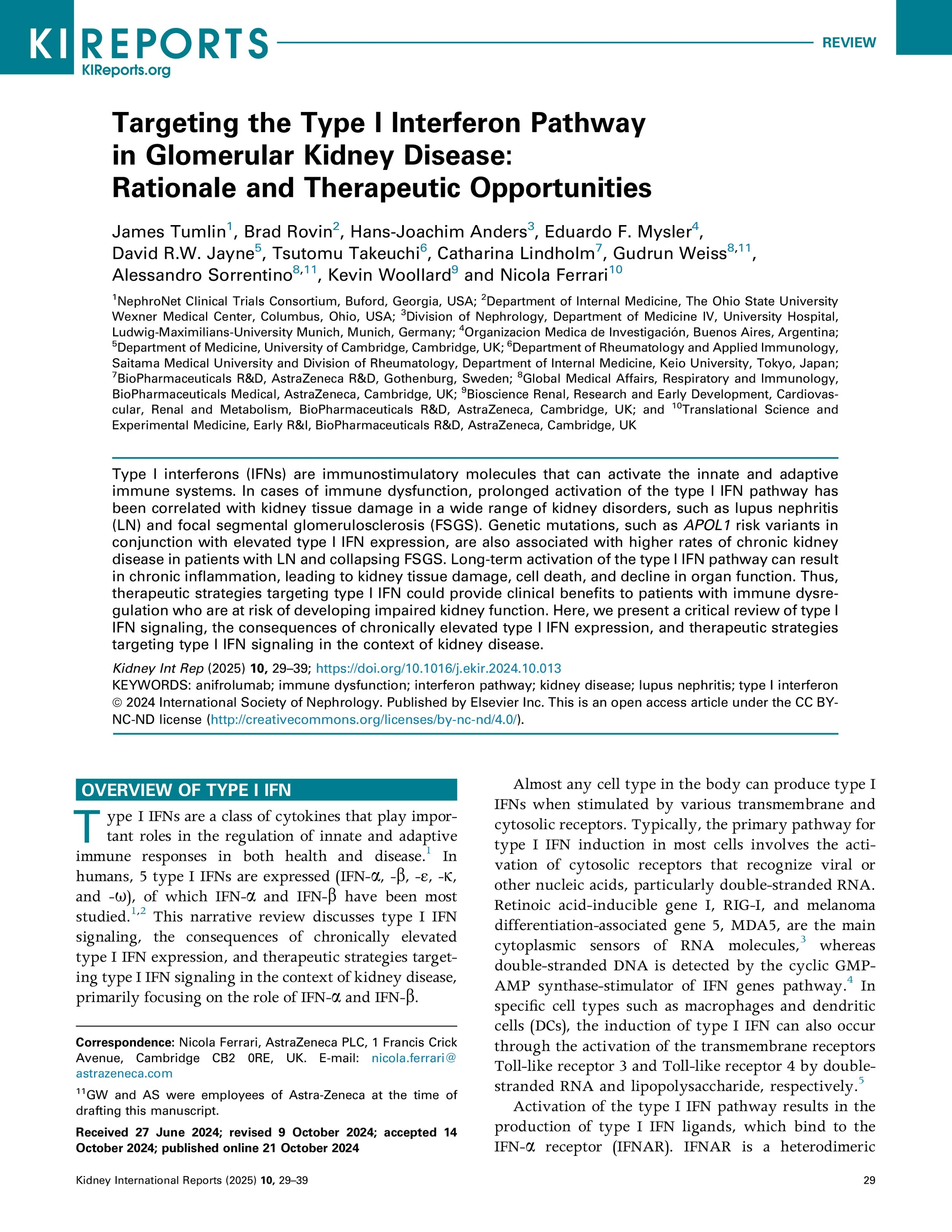
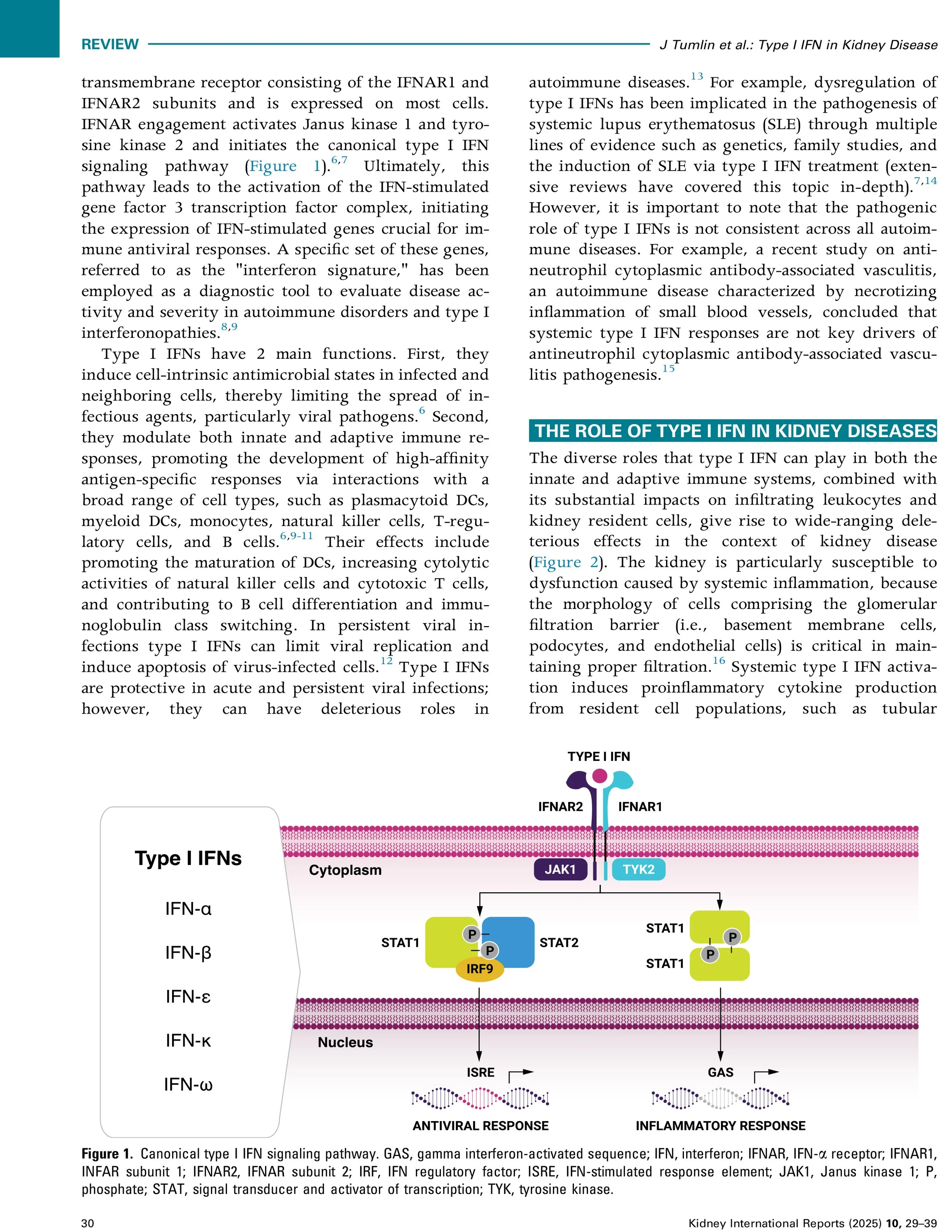
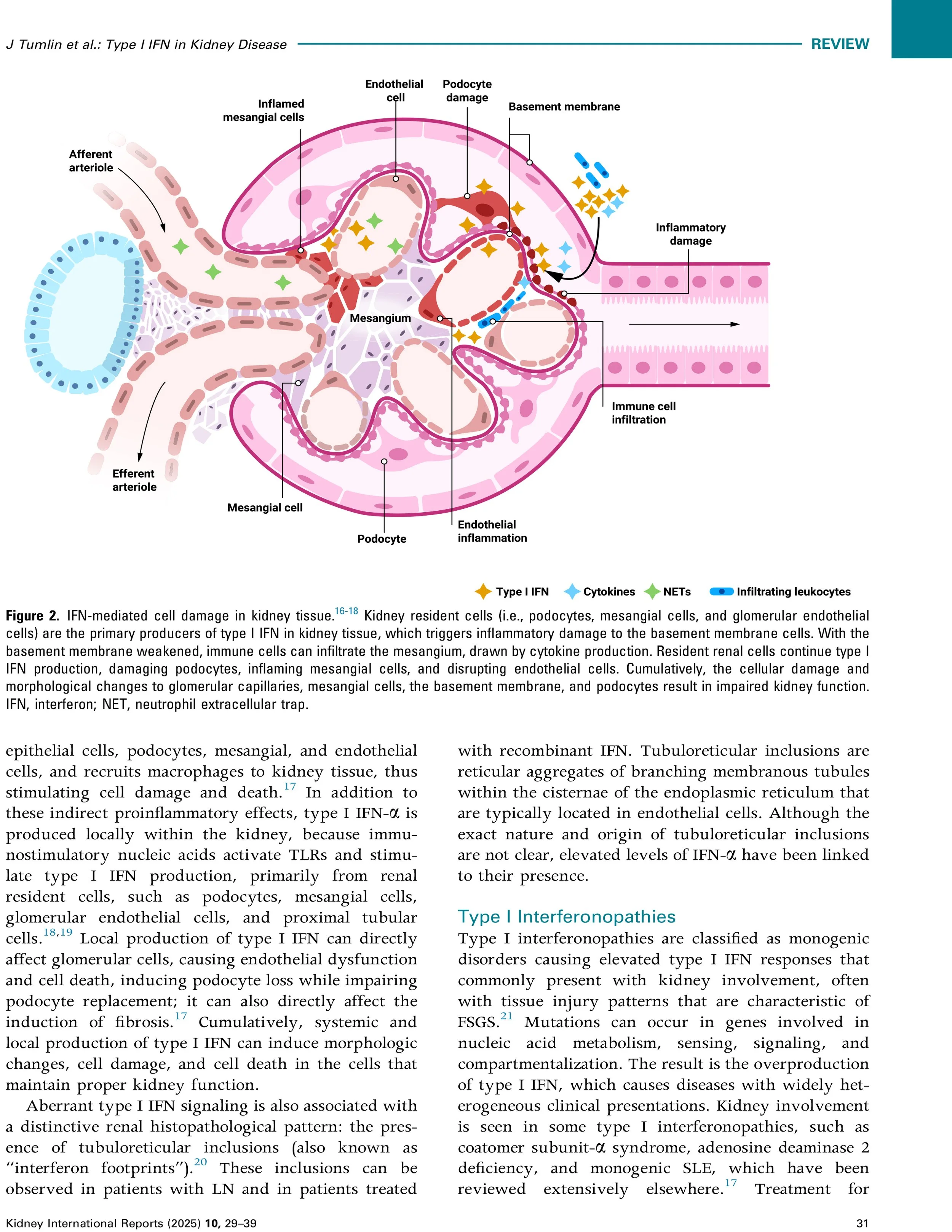
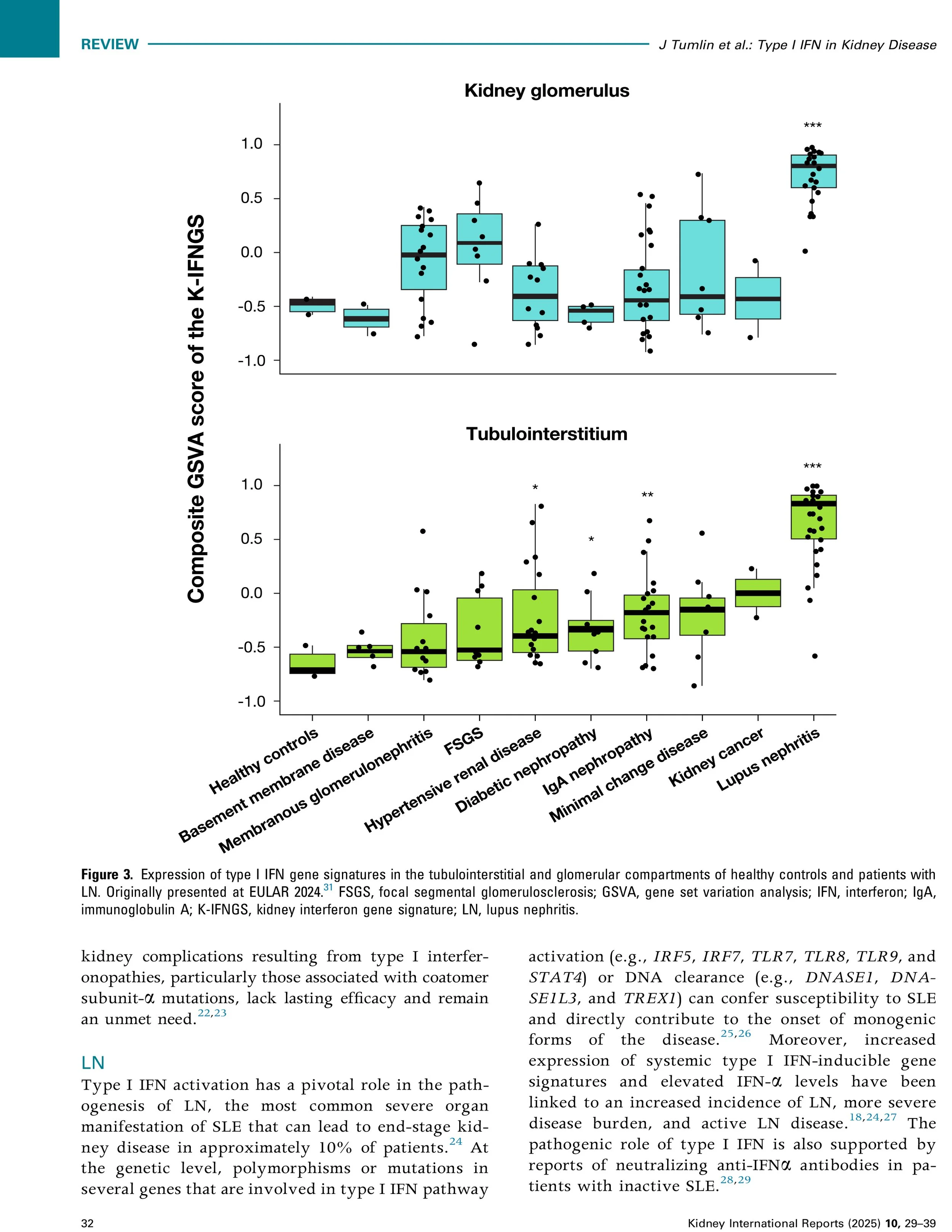
Dr. James Tumlin, President of NephroNet, Professor of Medicine in Nephrology at Emory University School of Medicine, Director of Research at Georgia Nephrology is proud to highlight a new publication examining the critical role of type I interferons (IFNs) in kidney disease. Type I IFNs are key immunostimulatory molecules, but when chronically activated—such as in conditions like lupus nephritis (LN) and focal segmental glomerulosclerosis (FSGS)—they can drive persistent inflammation, tissue injury, and loss of kidney function. Genetic factors, including APOL1 risk variants, may further amplify this risk. This comprehensive review explores the mechanisms of type I IFN signaling, its contribution to kidney damage, and emerging therapeutic strategies aimed at modulating this pathway. The article offers important insights for advancing care in immune-mediated kidney disorders.

Delays common between symptom onset, diagnosis of IgA nephropathy
August 14, 2026

James Tumlin, MD

Key takeaways:
Patients waited about 9 months on average after experiencing symptoms to make a care appointment.
Explaining the basic elements of IgA nephropathy may help to address patients’ concerns and anxiety.
Patients with immunoglobulin A nephropathy experienced delays between symptom onset to referral, according to study data.
From November to December 2025, James Tumlin, MD professor of medicine in nephrology at Emory University School of Medicine, and colleagues conducted telephone interviews and an online survey to understand experiences of 126 U.S. adults (median age, 42 years; 34% women; 50% non-Hispanic white) with biopsy-confirmed immunoglobulin A (IgA) nephropathy.
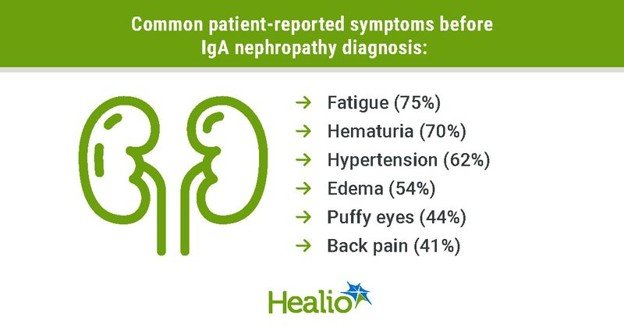
Data derived from Bensouda M, et al. IgA nephropathy patient experience: A qualitative and quantitative mixed-methodology study. Presented at: GlomCon; Aug. 3-7, 2026; Maui, Hawaii.
Researchers found 88% of patients reported symptoms before IgA nephropathy diagnosis, including fatigue (75%), hematuria (70%), hypertension (62%), edema (54%) puffy eyes (44%) and back pain (41%), among others. However, patients waited about 9 months on average before making a care appointment, most often with a primary care physician (78%), nephrologist (8%) or urologist (5%).
“The problem with IgA nephropathy is that it’s often a form of glomerular disease not associated with many other symptoms that would alert somebody to seek a physician,” Tumlin told Healio. “Unfortunately, studies have shown that the majority of patients are already in [chronic kidney disease] stage 3a or below by the time they actually are identified by a nephrologist and started workup for treatment and therapy.”
Abnormal lab results, including presence of proteinuria (82%), hematuria (70%) or eGFR decline (69%), most often triggered referral to a nephrologist. Referral wait times could range from 1 to 12 months, according to the researchers.
“There is the old adage in medicine, common things are common,” Tumlin said. “For example, if a woman comes in with hematuria, a physician may suspect she had a latent urinary tract infection, which is not unreasonable. She will go through a period of treatment for that before a bigger problem associated with hematuria is established.”
After receiving a diagnosis for IgA nephropathy, patients often left appointments feeling confused about their condition, according to the researchers. Among respondents, 57% wanted to learn more about IgA nephropathy from their nephrologist.
Patients also described their different emotions after receiving a diagnosis, including regret, frustration, confusion, fear of dialysis and hope to receive a kidney transplant, the researchers wrote.
Furthermore, the researchers noted fewer than half of patients reported the therapies they received aligned with their values. Patients valued therapies that could stop IgA nephropathy symptoms (80%), slow the loss of kidney function (78%), remain affordable (77%) and delay dialysis initiation (75%), among other values.
To help address anxiety after a patient’s diagnosis, physicians can explain the “basic elements” of IgA nephropathy, Tumlin said.
“For example, if you identify that the centrality of the disease rests in the circulating levels of galactose-deficient IgA1 (Gd-IgA1), you can explain to the patient that ... higher levels of Gd-IgA1 can lead to disease progression and ... that our objective is to attempt to knock down those levels of Gd-IgA1 with the least amount of toxicity,” he said. “That gives the patient an idea to hold onto. It also helps to frame your treatment decisions to the patient, whether you use an APRIL (a proliferation-inducing ligand) antagonist, a dual APRIL-BAFF (B-cell activating factor) antagonist, a delayed-release glucocorticoid or an endothelin antagonist.”
Overall, Tumlin said nephrologists, PCPs and other healthcare professionals will need training to help facilitate earlier referrals and determine which therapies to use for IgA nephropathy treatment.
“Therapy for an individual patient needs to be tailored to what their risk factors are, how long they’ve had disease, how much damage has already existed in the kidneys, etc,” Tumlin said. “We need to train both nephrologists and primary care physicians on how to think about that.”
For more information:
James Tumlin, MD, professor of medicine in nephrology at Emory University School of Medicine, president of NephroNet and director of research at Georgia Nephrology, can be reached on Facebook @NephroNetOrg.
Sources/Disclosures
References:
NephroNet.
The Journey with NephroNet. https://nephronet.org/for-patients-1. Accessed Aug. 12, 2026.
Vertex.
The State of IgAN. https://www.vrtx.com/state-of-igan/. Accessed Aug. 12, 2026.
Disclosures: Tumlin reports receiving grants or having contracts with Akebia Therapeutics, Alpine Immune Sciences, Argenx, AstraZeneca, Aurinia Pharmaceuticals, Horizon Therapeutics, Mallinckrodt Pharmaceuticals, Novartis, Travere Therapeutics and Vera Therapeutics; consulting for Argenx, AstraZeneca, Calliditas Therapeutics, Mallinckrodt Pharmaceuticals, Novartis, Otsuka, Travere Therapeutics, Vera Therapeutics and Vertex Pharmaceuticals; speaker fees or honoraria from Alexion, Alpine Immune Sciences, Apellis, AstraZeneca, Calliditas Therapeutics, Novartis, Travere Therapeutics, Vera Therapeutics and Vertex Pharmaceuticals; meeting support from Apellis, Calliditas Therapeutics, Mallinckrodt Pharmaceuticals and Vera Therapeutics; and serving as a board member for Alexion, Apellis, Argenx, Aurinia Pharmaceuticals, Bayer, Calliditas Therapeutics, Chinook Therapeutics, Equillium, Mallinckrodt Pharmaceuticals, Otsuka, Vera Therapeutics and Vertex Pharmaceuticals. The study was sponsored by Vertex Pharmaceuticals.